Aggregate? The Importance of Aggregate in Asphalt Production Plant
POWER ASPHALT3 min readPublished Updated
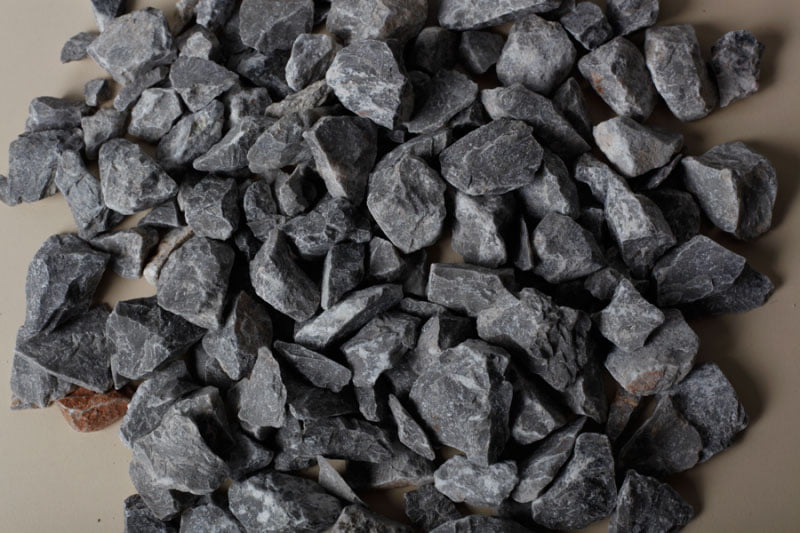
Aggregate; It is the name given to inorganic materials with different granular mineral structures such as sand, gravel and crushed stone, which are used with cement and water in the production of concrete mortar and similar. Used in Asphalt Production
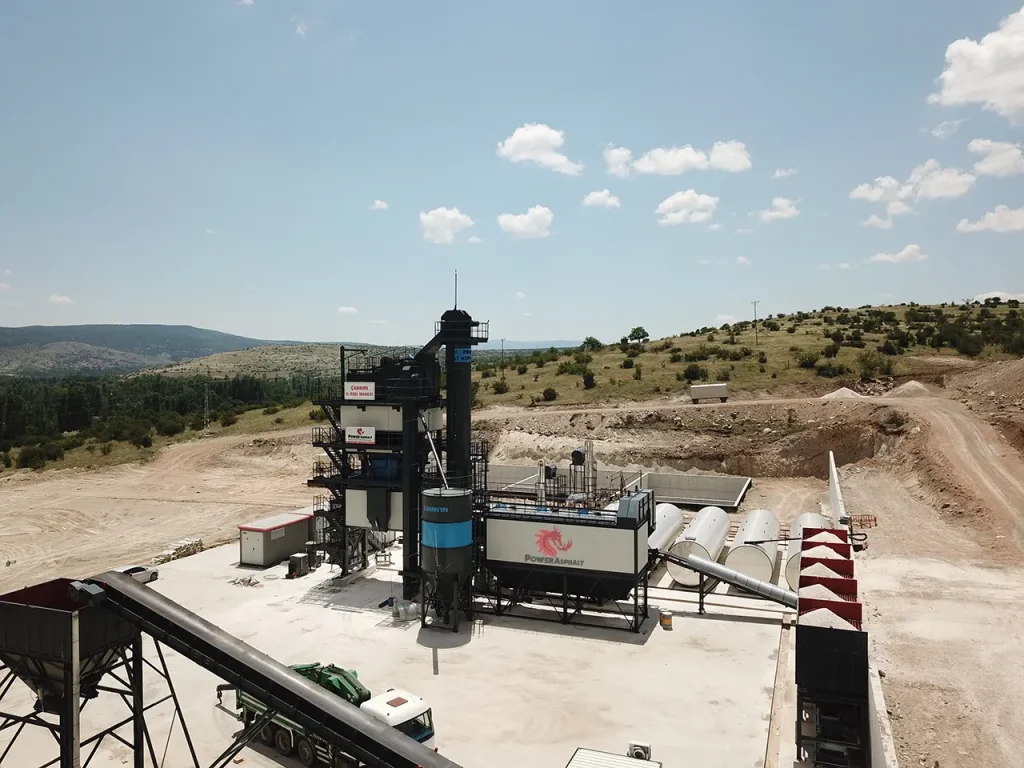
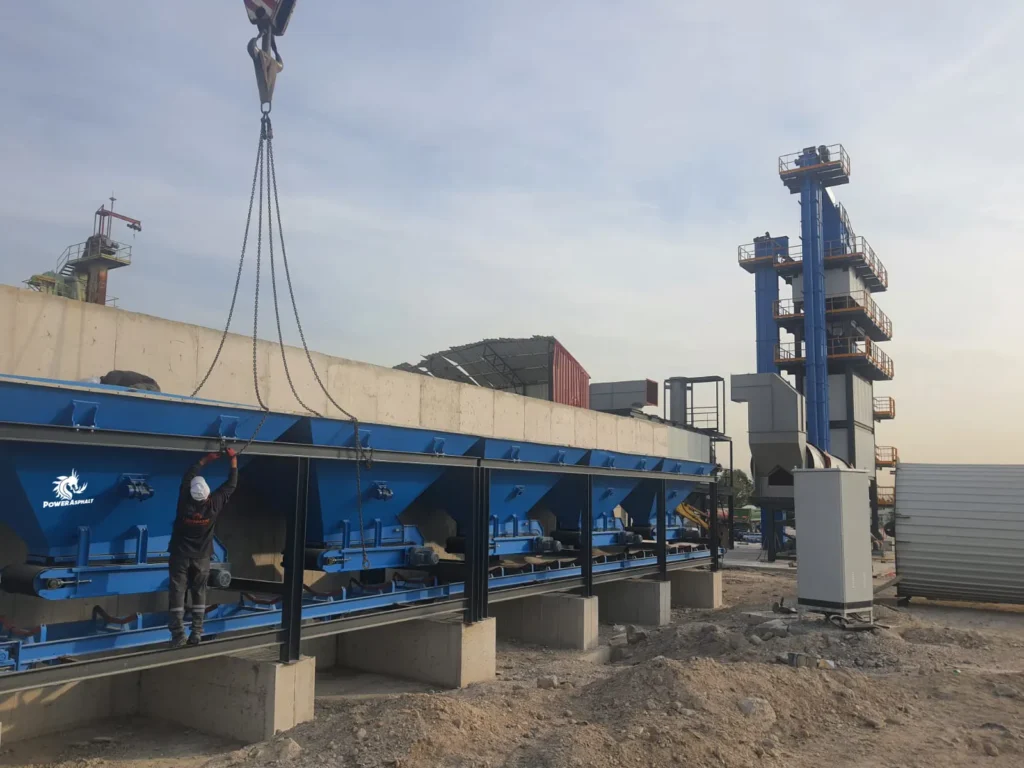
It is the most important component of Asphalt Mixing Plants.
Aggregates:
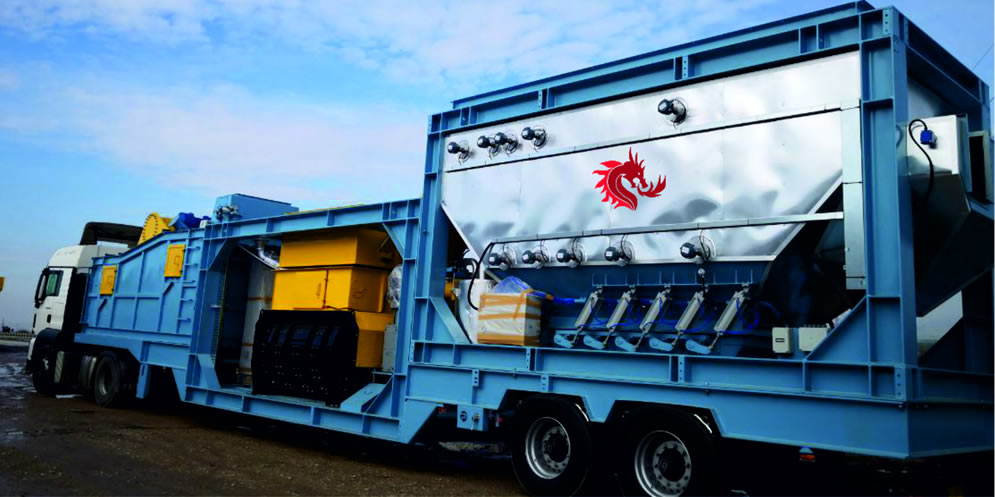
Maximum grain size and gradation: Maximum grain size and gradation is determined according to the layer in which it will be used. Whether it is clean or not: Aggregates should not contain plant waste, soft materials, clay lumps and foreign matter. Grain shape: The grain shape of the aggregate affects its workability, compressibility and stability. The use of angular, broken grains is preferred.aggregate 1 Surface structure of grains: They affect the load carrying capacity in bituminous mixtures. Aggregates with very rough surfaces show high resistance to shear stresses.aggregate 2 Porosity: Affects the percentage of bitumen in the mixture. In mixed aggregates, some porosity is required to ensure aggregate bitumen adhesion.aggregate 3 Durability: Aggregates to be used in bituminous coatings can be resistant to breakage and decomposition due to water and frost. Ability to be coated with bitumen: Aggregates used in bitumen coatings should not show peeling under the influence of water when coated with bitumen. Aggregates with low peeling resistance can be used by adding special additives to the bitumen. Aggregates used in asphalt road mixtures are hard minerals that are classified and selected according to their physical properties and sizes depending on the mixture design. These minerals can be of natural origin, such as crushed stone, gravel, or artificial, such as blast furnace slag. Natural aggregates; These are aggregates taken from river beds, lake shores, quarries and without any processing other than crushing, washing and classification. Artificial aggregates; These are aggregates that are produced for decorative purposes or by determining their properties or can be produced as a by-product of any sector. Aggregates are divided into 3 according to their weight. Normal aggregates: Aggregates with specific gravity between 2.0 and 3.0 kg/l. Sand and gravel can be examples of these aggregates. Light aggregates: Aggregates with specific gravity below 2.5 kg/l. Lightweight aggregates, which generally have a porous structure, provide sound and heat insulation properties to the concrete in which they are used. Lightweight aggregates have low resistance to pressure, impact and abrasion. Water absorption and void rates are high. Pumice, pumice, clay and perlite can be given as examples of this type of aggregate. stationary batch asphalt plant and Mobile Asphalt Plantis the most common type of aggregate used. Heavy aggregates: Aggregates with a specific gravity above 3.0 kg/l. It is used to obtain heavy concrete. Barite, magnetite and limonite can be given as examples of heavy aggregates, which are economically more expensive than normal aggregate in terms of both material and labor. Fine and washable substances, organic origin substances and light substances damage aggregates because they damage the solidification or hardening of concrete, reduce its strength or complexity, and endanger its protection against corrosion. Therefore, aggregates must be solid, not corroded, or softened and dispersed under the influence of water. In addition, the shape and texture of the aggregate grains must be good and their size must comply with the purpose and standards.
What is
We use essential cookies to operate this website. Analytics and marketing only load with your permission. You can change your choices at any time. Cookie policy