
BORA 200
Compact engineering on a single chassis.
Continuous asphalt production.
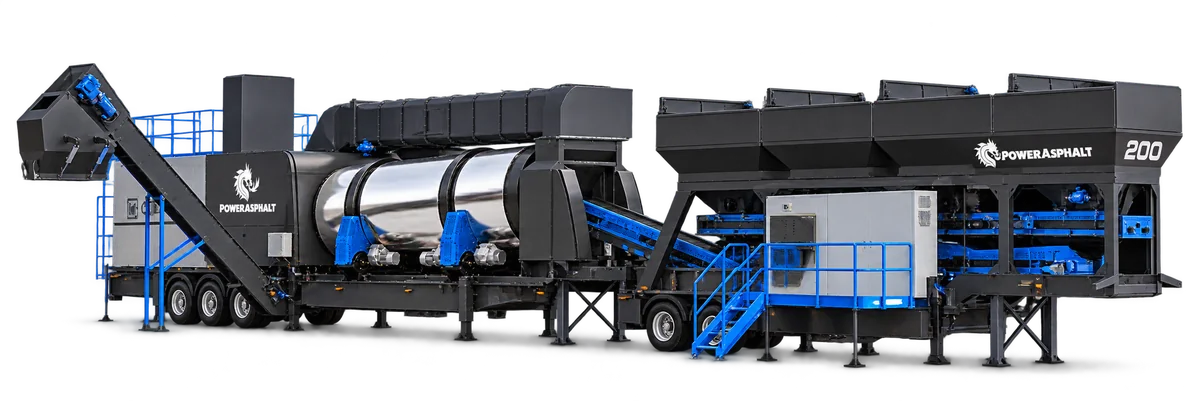
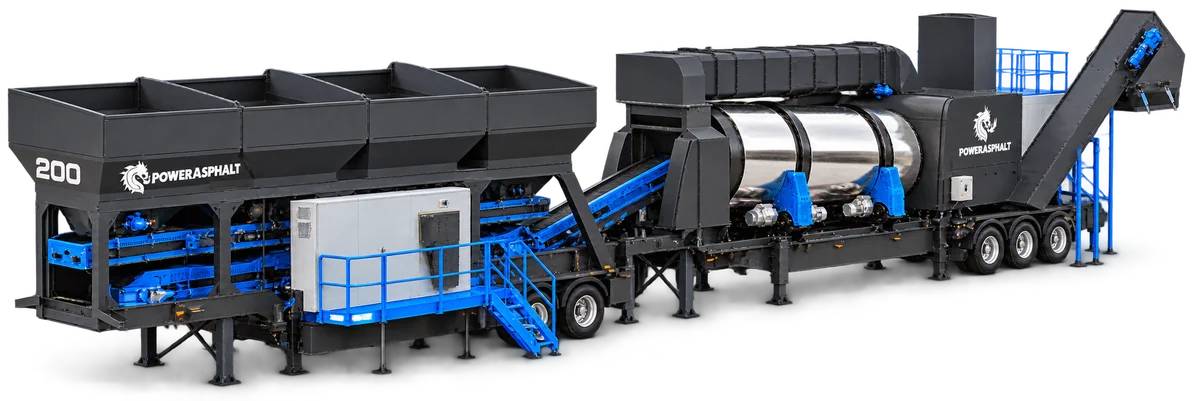
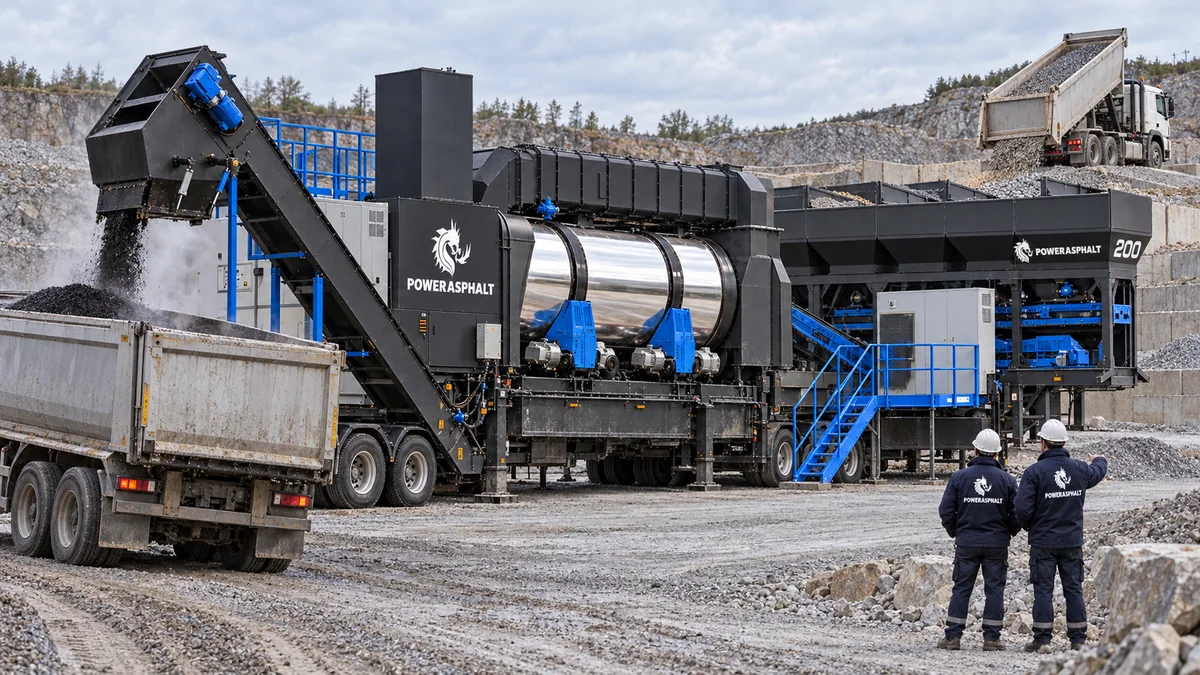
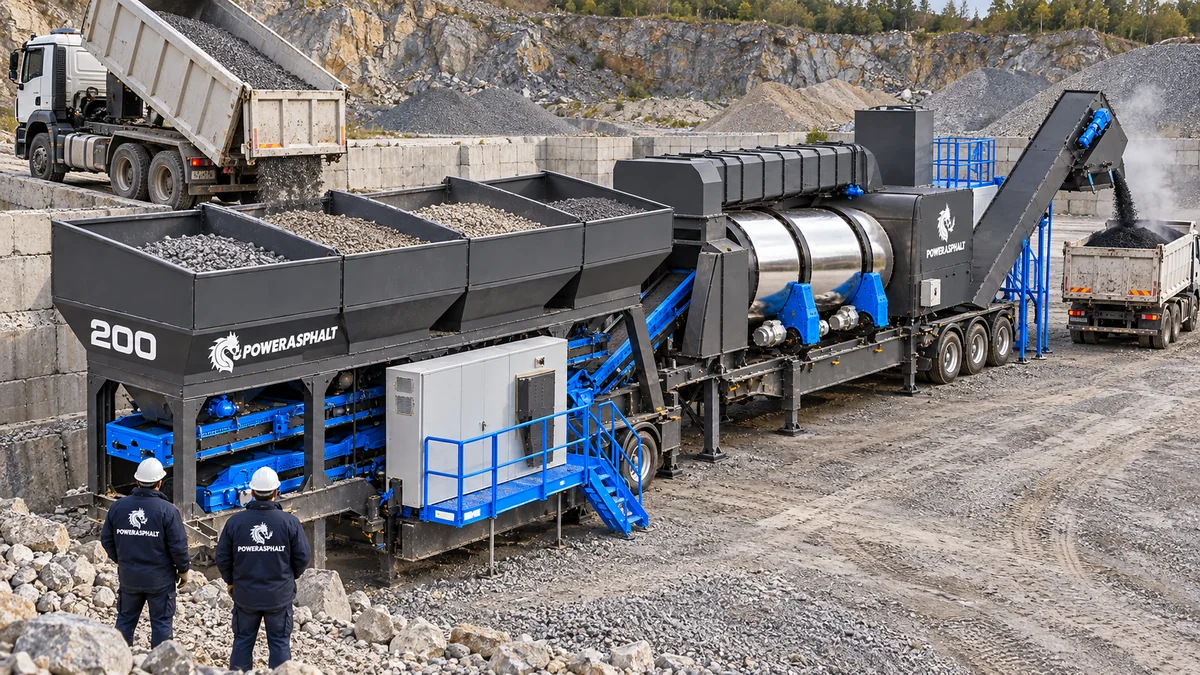
BORA 200 combines cold aggregate feeding, drying, filtration and twin-shaft continuous mixing in a compact layout. Flow-controlled aggregate, bitumen and mineral filler feeds maintain a continuous hot mix asphalt production process.
Nominal capacity at 3% surface moisture
60 m³ total aggregate storage
Compact layout and relocatable design
PLC-based SCADA automation
Continuous production in a compact layout.
Continuous, flow-controlled mixing
Aggregate, bitumen and mineral filler are continuously blended in a twin-shaft mixer using real-time feed control, rather than batch weighing and waiting cycles.
Main components on one chassis
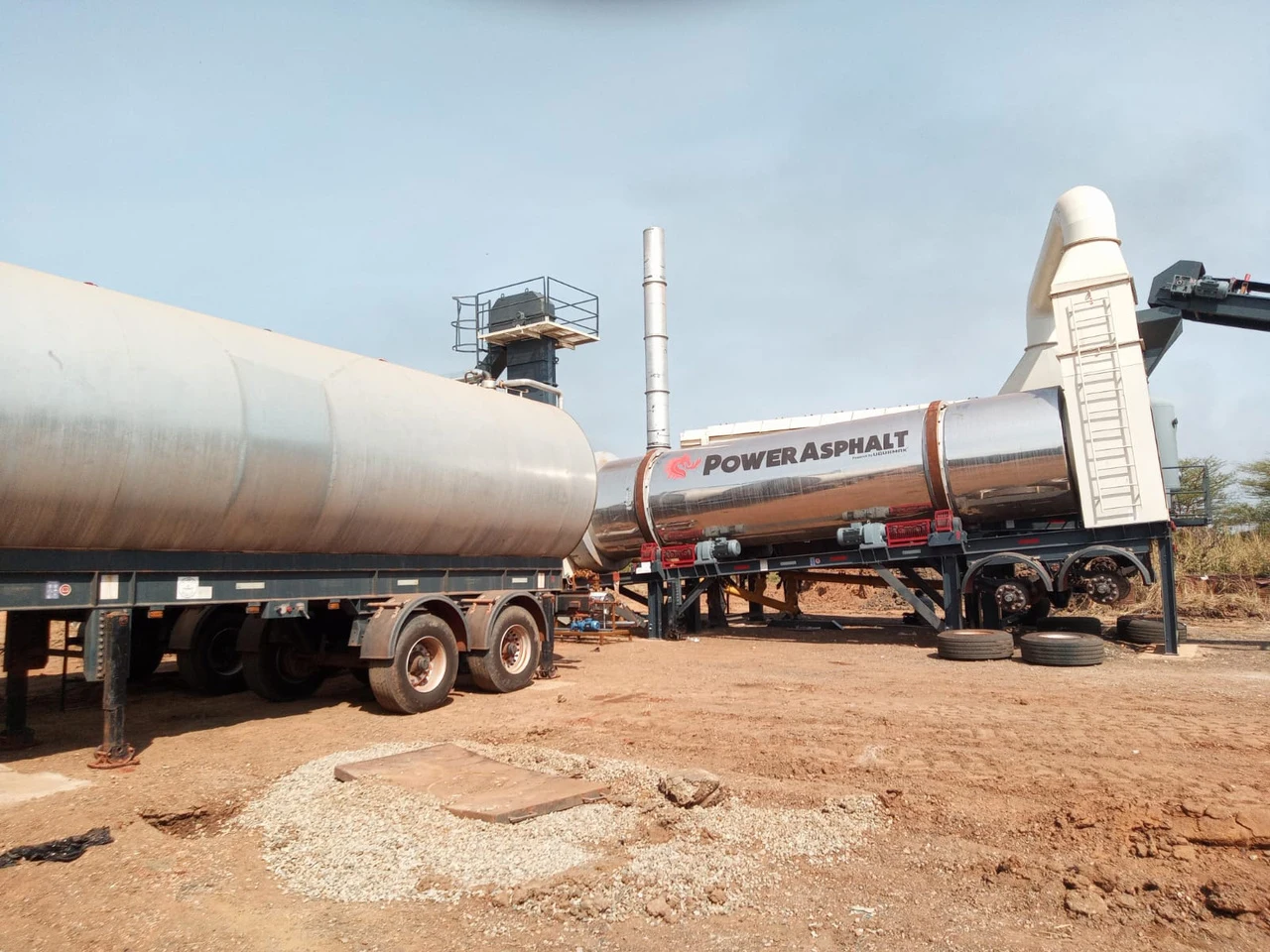
The cold feed bins, dryer, baghouse filter and mixer are arranged on a single chassis. Transport and installation are planned as part of the site engineering.
Thermal and material efficiency
An insulated drum, controlled burner, variable-frequency drives and recovered mineral filler support efficient use of energy and raw materials.
Dust control and maintenance access
A large-area meta-aramid baghouse, controlled extraction and accessible maintenance points support production continuity.
BORA 200 technical specifications.
| Parameter | Technical value | Description |
|---|---|---|
| Nominal production capacity | 200 t/h | Rated at 3% aggregate surface moisture |
| Production principle | Continuous mixing | Continuous mixing in a twin-shaft mixer |
| Cold feed bins | 4 × 15 m³ = 60 m³ | Variable-speed feeder belts |
| Dryer drum | Ø2,200 × 8,500 mm | Internal diameter × length |
| Burner thermal capacity | 15 MW | Liquid/gaseous fuel options, depending on configuration |
| Dryer drive | 4 × 15 kW | Four geared motors |
| Collecting conveyor drive | 15 kW | Geared motor with dual-fan cooling |
| Filter area | 620 m² | Meta-aramid / Nomex filter bags |
| Exhaust gas flow rate | 52,000 Nm³/h | Variable-speed exhaust fan |
| Bitumen tank | 60 m³ | Insulated, with thermal oil heating coils; integrated or external options |
| Mineral filler storage silo | 50 tonnes | Silo-top filter, screw conveyor and flow aids |
| Plant electrical load | 450 kVA | Total plant transformer load |
| Recommended site transformer | At least 600 kVA | Sized to include auxiliary equipment |
| Thermal oil heating | Project-specific | Sized for the heating demand of the bitumen tank and circuits |
| RAP option | Optional 10–20% | Subject to mix design, feeding arrangement and drying system |
Capacity depends on aggregate moisture, grading, mix design, target temperature and fuel. Power ratings and equipment vary with the selected configuration; the approved technical proposal defines the final scope.
The systems behind BORA 200.
Four-bin feeding with precise proportioning.
Four modular cold feed bins, each holding 15 m³, provide 60 m³ of total storage. Variable-speed feeder belts regulate aggregate flow to the mix design.
Vibratory motor
Reduces bridging in the bin to maintain material flow.
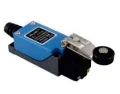
Material flow switch
A mechanical limit switch monitors material flow, with an IP67 protection rating.
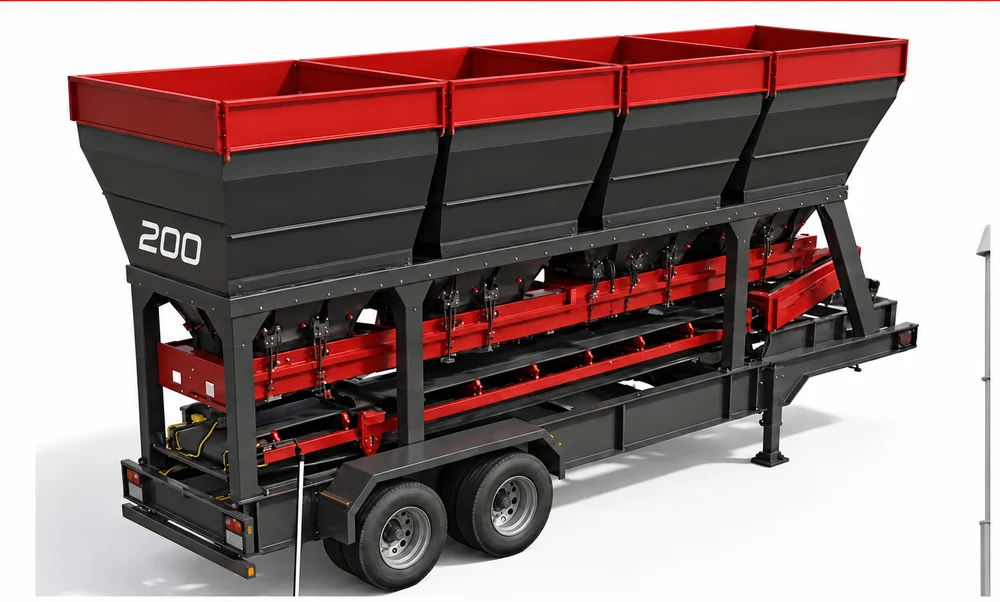
Feeder conveyor
Diamond-pattern rubber pulley lagging reduces belt slip. A directly coupled, parallel-shaft helical geared motor drives the feeder.
A steady aggregate flow.
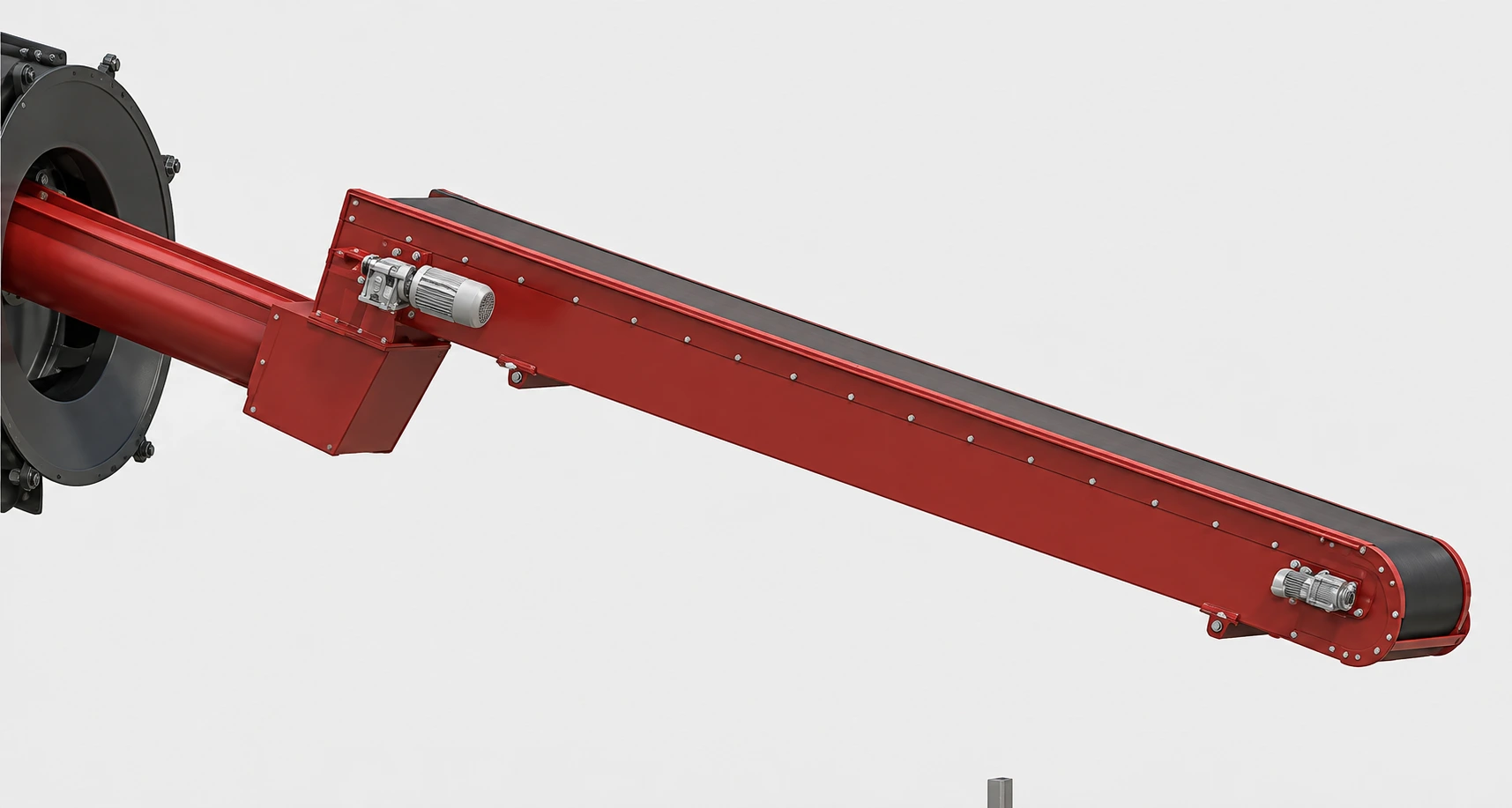
Aggregate from the bins is combined on the collecting conveyor. The belt, drive and idlers are selected for continuous operation at 200 t/h.
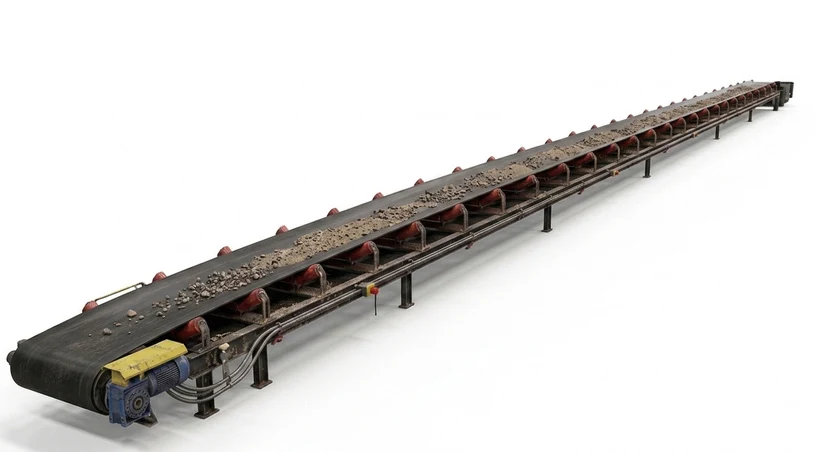
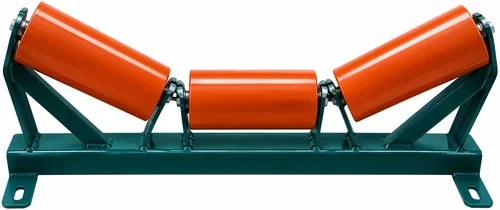
Troughing idlers
Idlers with sealed bearings support stable aggregate transport along the belt.
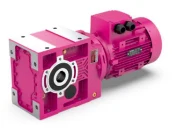
15 kW drive unit
The geared motor with dual-fan cooling is selected to meet belt length and torque requirements.
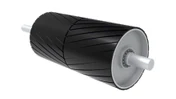
Rubber pulley lagging
Wear-resistant, dynamically balanced drive and tail pulleys support reliable belt operation.
Controlled transfer to the dryer.
The feed conveyor uses carrying idlers, impact idlers, bearing housings and a drive unit to deliver a steady material flow to the dryer inlet.
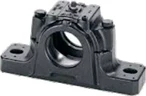
SNL bearing housing
SNL-type bearing housings provide load capacity and effective sealing.
Carrying idler assembly
Bearing-mounted idlers support controlled belt movement along the conveyor.
Rubber-lagged pulley
Anti-slip pulley lagging supports efficient power transmission.
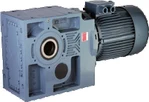
Geared motor
Geared drive with dual-fan cooling for continuous feeding.
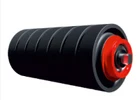
Impact idler
Impact idlers absorb loading shocks at material transfer points.
Uniform aggregate curtains. Controlled combustion.
Specially shaped internal flights lift and curtain aggregate through the drum for effective drying. Italian-made burner options in the 15 MW range operate on liquid or gaseous fuels, with modulating PID and Etamatic combustion control.
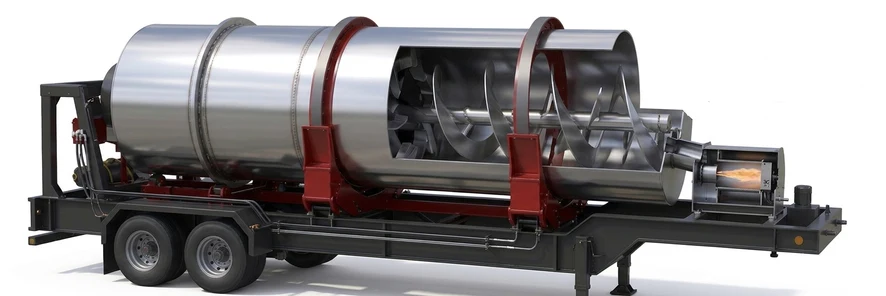
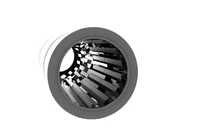
Drum internals and flights
High-temperature-resistant materials and bolted internals facilitate maintenance.
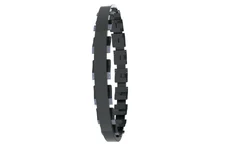
Forged steel riding ring
A high-strength forged steel riding ring supports the dryer drum loads.
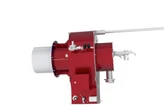
Burner and fuel options
Fuel oil, diesel and natural gas options are available; LPG compatibility is assessed for the selected burner configuration.
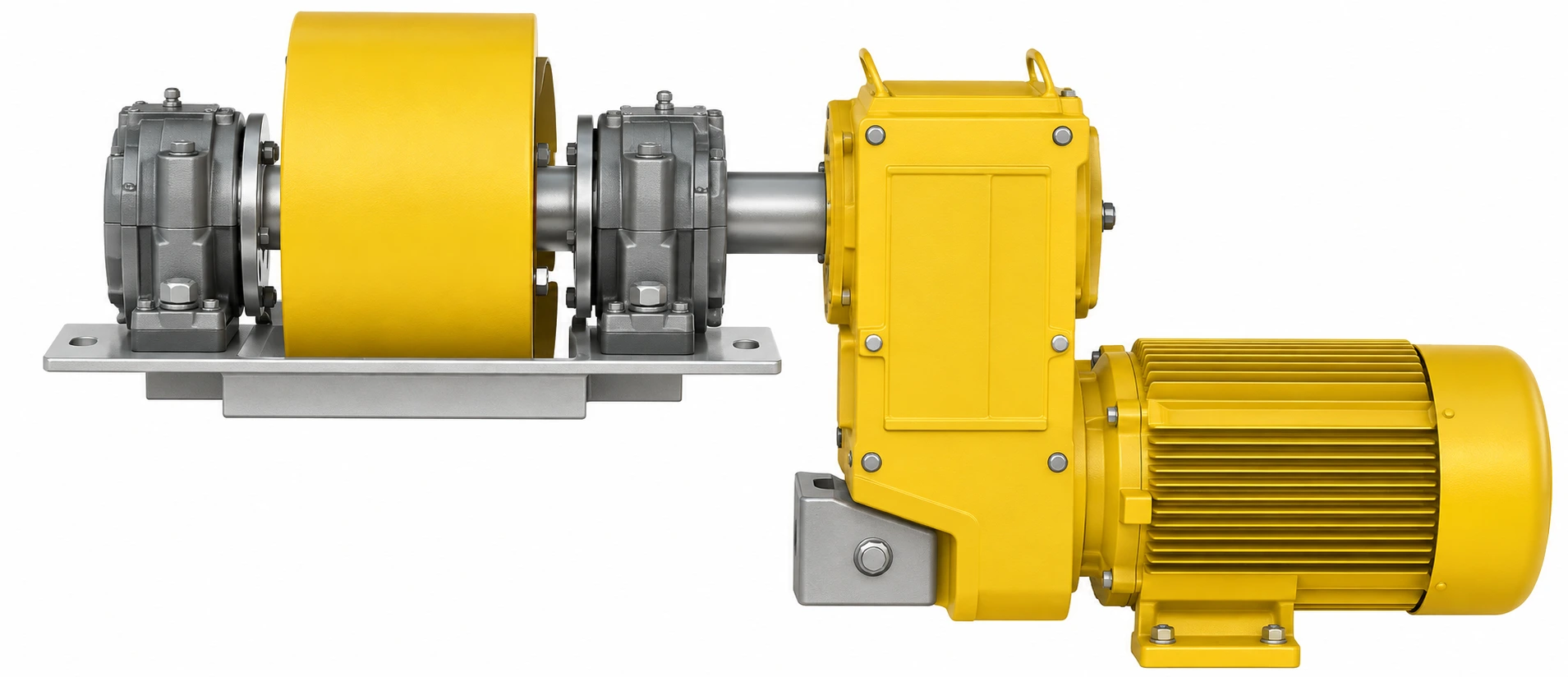
Four-motor drive
Geared motor option: 4 × 15 kW.
Dust collection and mineral filler recovery.
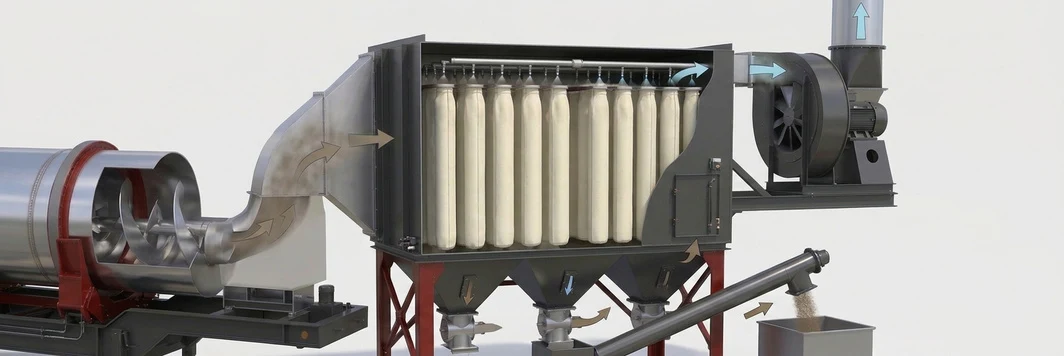
The baghouse provides 620 m² of filter area to capture fine dust for mineral filler recovery. Nomex/meta-aramid bags are selected for high-temperature and abrasive conditions. The final equipment configuration determines the cleaning system.
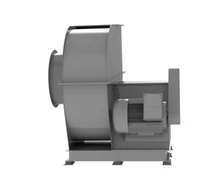
Variable-speed extraction
An inverter-controlled fan adjusts air circulation and extraction rate to suit production.
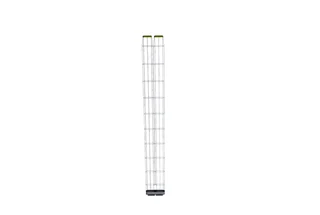
Meta-aramid filter bags
Filter media are selected for temperature and abrasion resistance. Service life depends on operating conditions and maintenance.
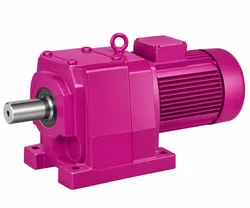
Geared drive
An industrial geared motor drives the equipment beneath the baghouse.
Main components in one integrated layout.
A heavy-duty formed-steel chassis supports the main components in a compact layout. Triple-axle trailer equipment, suspension and braking are assessed as part of the transport engineering.
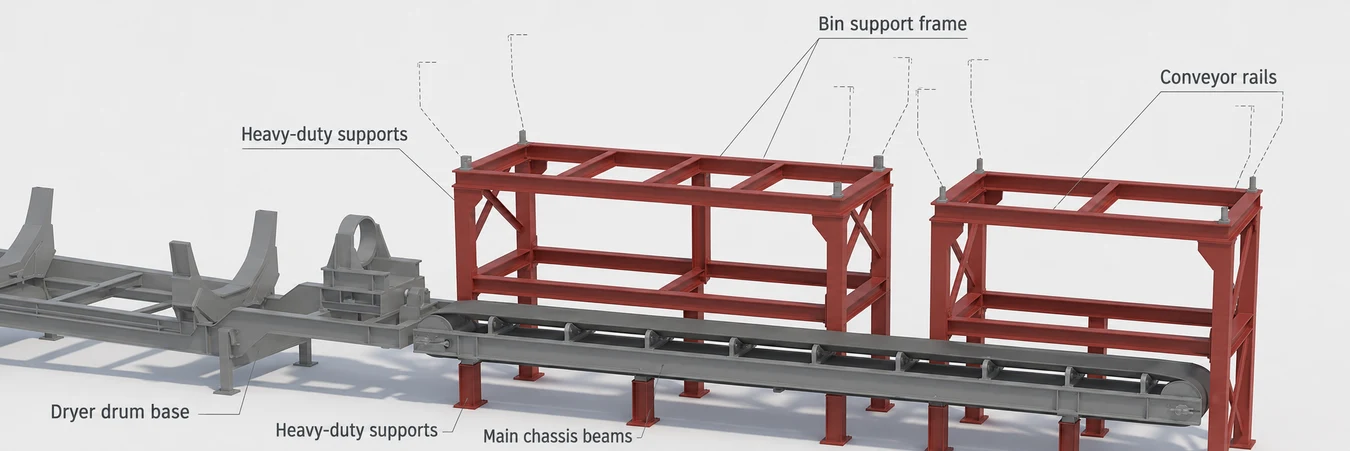
Levelling jacks
Mechanical or hydraulic support legs level the plant and transfer operating loads to the prepared ground.
Recovered filler return
Screw conveyors continuously return the collected fines from the filter to the continuous mixer.
Twin-shaft continuous mixer
Dried aggregate, bitumen and mineral filler are continuously blended to produce hot mix asphalt.
Discharge and truck load-out
A discharge chute or integrated storage option transfers hot mix to trucks, with the flow arrangement designed to limit segregation.
Insulation and continuous bitumen supply.
The 60 m³ bitumen tank is available in vertical or horizontal configurations. Mineral wool insulation and thermal oil coils control bitumen temperature; flowmeter-controlled transfer pumps maintain continuous supply.
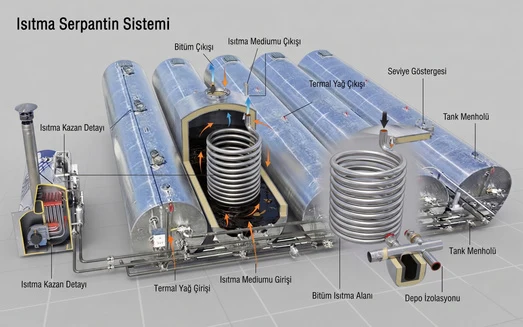
Seamless steel heating coils
Internal tank heating circuit and connections.
Tank fittings
Inlet and outlet connections, separate drain plug, filling port, manway, vent, access ladder and platform.
Temperature and level monitoring
Temperature and level indicators support operational control. Heater capacity is selected for site and process requirements.
Safe storage and controlled delivery.
A welded steel silo with 50 tonnes of storage, a silo-top filter, screw conveyor and flow-aid valves supports mineral filler storage and transfer.
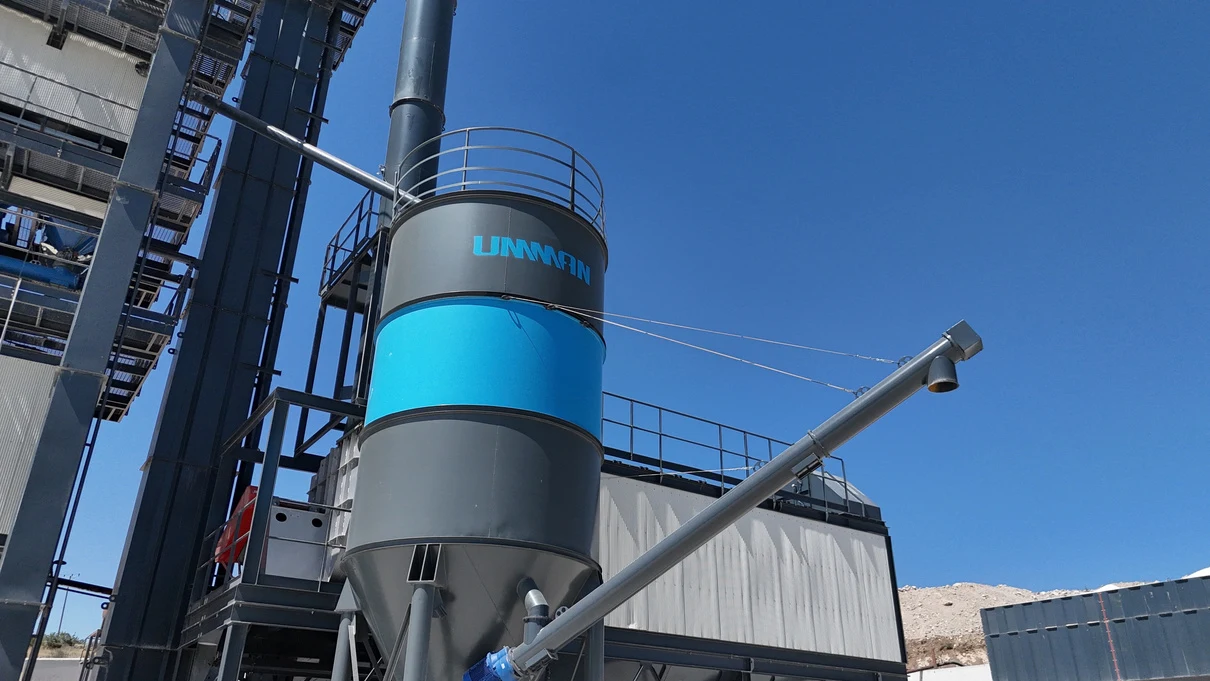
Steel silo shell
Durable storage construction with suitable site connections.
Flow and transfer
A screw conveyor and flow aids deliver filler to the mixer.
The entire plant on one PowerControl screen.
The PLC-based control system supports fully automatic, semi-automatic and emergency manual modes. The operator monitors production, manages mix recipes and supervises the electrical and automation systems through one control platform.
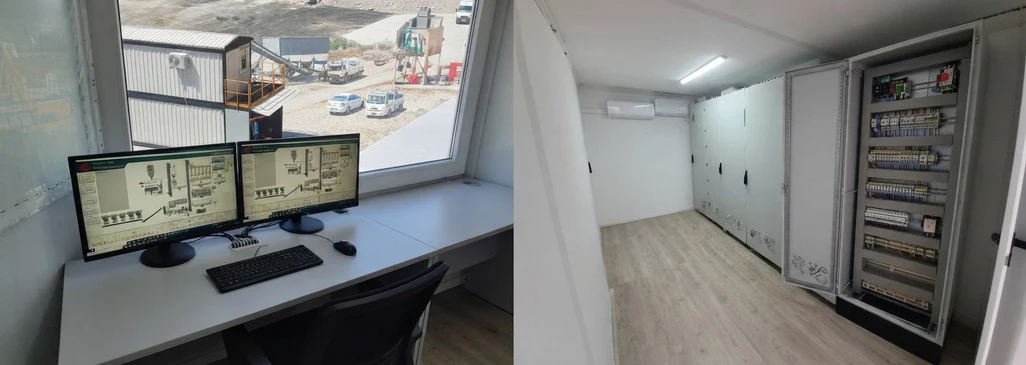
Ergonomic workspace
An air-conditioned, sound-insulated operator cabin with user-friendly displays.
Electrical and automation systems
Industrial components, reliable power distribution, scalable controls and controlled operator intervention.
Continuous flow from aggregate to hot mix.
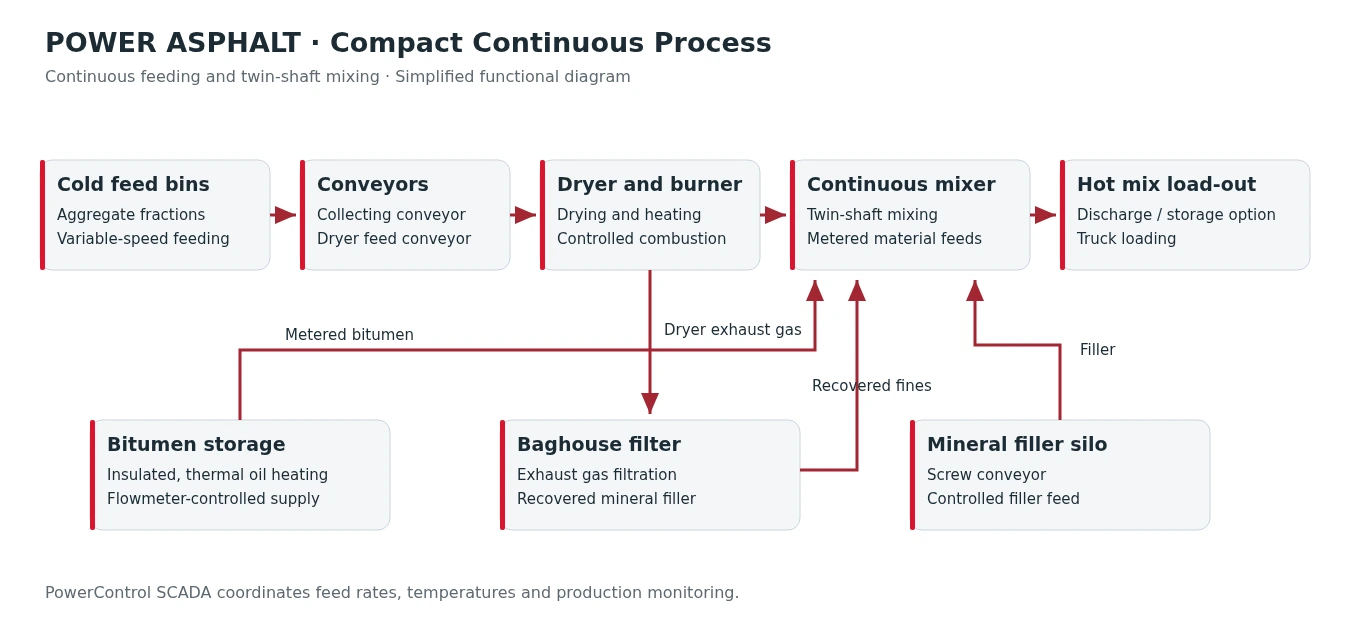
01 · Feeding and drying
Aggregate fractions are proportioned from the bins to the mix design and transferred to the dryer by collecting and feed conveyors.
02 · Filtration and metering
Dryer exhaust gases are filtered. Recovered fines, additional mineral filler and bitumen are fed into the process at controlled rates.
03 · Mixing and load-out
Hot mix from the twin-shaft continuous mixer is discharged to trucks through a chute or a storage and load-out arrangement.
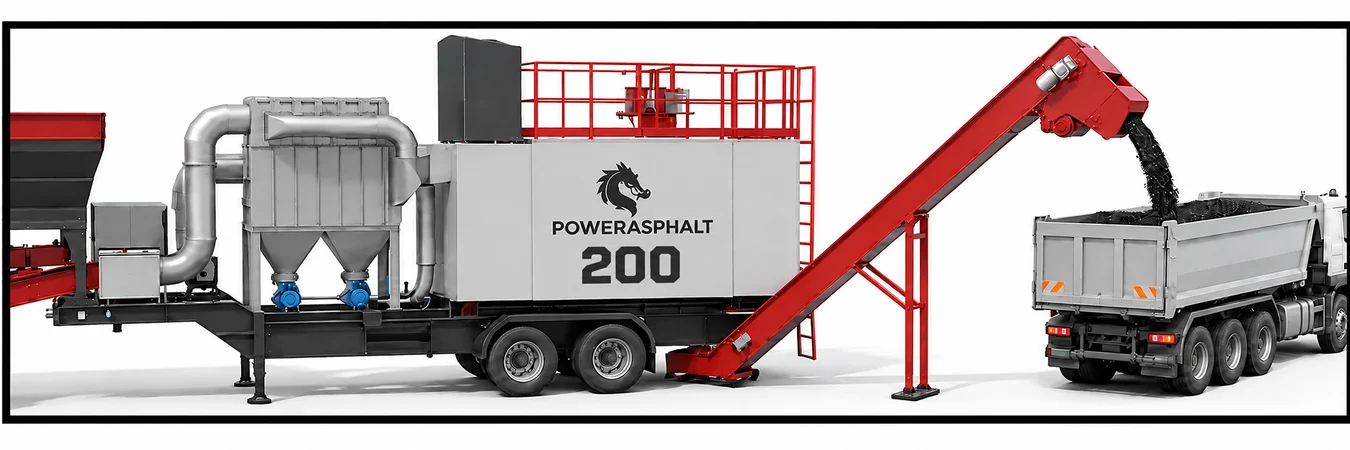
The right infrastructure for a compact plant.
Ground conditions and foundations
A minimum ground bearing capacity of 2 kg/cm² is specified. Ground investigation, compaction and reinforced concrete foundation pads are designed for the static and dynamic loads of the chassis and silos.
Power supply and transformer
A transformer of at least 600 kVA is recommended for the motors, burner and auxiliaries. The indicative 25 m distance between the main panel and control cabin is adapted to the site design.
Water and compressed air
Provide a pressurised water supply for dust suppression and cleaning, and a compressor with an air dryer and an outlet pressure of at least 10 bar for pneumatic equipment.
Lifting and access equipment
Installation planning allows for a mobile crane rated at least 80 tonnes and suitable access platforms. Required lifting capacity, working radius and lift plans must be confirmed for the site.
Transport routes, axle loads, site grading, drainage and safe working clearances are reviewed with the layout plan. An indicative installation period of 3–4 weeks applies once the site infrastructure is ready.
Mix recipes, reporting and remote access.
Continuous flow control
PLC-based automation coordinates belt speeds, material flow rates and bitumen feeding. Fully automatic, semi-automatic and emergency manual modes are available to suit operating requirements.
Real-time mix control and reporting
Mix recipe storage, controlled recipe changes during production, real-time data monitoring and archiving of daily production reports.
Remote diagnostics via VPN
Secure VPN access supports fault diagnosis, calibration and parameter optimisation. The maintenance and support agreement defines 24/7 access and service availability.
Languages and access levels
A multilingual interface with password-protected operator access and authorisation levels. Recipe storage is configured to the project specification.
Equipment tailored to your mix design.
Accurate weighing and metering
Belt scales, bitumen flowmeters and integrated load cells monitor continuous feeding.
Filler and dust management
Dry filler metering, fines recovery and optional wet mixing to granulate collected filter dust.
10–20% RAP integration
An optional reclaimed asphalt pavement (RAP) feed system is engineered alongside the dryer and continuous process. The achievable proportion depends on the mix design and heat balance.
Additive system compatibility
Modified bitumen, liquid anti-stripping additive pumps and fibre feeding systems can be assessed for the project.
Combustion, filtration and resource use.
Thermal management
Dryer insulation, burner settings, aggregate curtaining and exhaust heat management affect fuel consumption.
Dust collection and carbon impact
Baghouse filtration and variable-speed extraction support dust capture. Fuel consumption and carbon impact are assessed under actual operating conditions.
Noise and vibration
Acoustic motor enclosures and vibration isolators support site-specific noise and vibration control.
Water and drainage management
Closed-loop water circulation, wastewater treatment and reuse can be integrated into the site infrastructure where required.
Accessible equipment. Controlled operation.
Emergency stops and interlocks
Emergency stop pull cords and mechanical safety interlocks for moving parts, conveyors and mixer covers.
High-temperature protection
Thermostatic alarms, overtemperature controls and project-specific fire safety arrangements for bitumen and thermal oil circuits.
Ergonomic control
An air-conditioned, sound-insulated cabin lets the operator monitor production from a single screen.
Safe maintenance access
Walkways, guardrails and non-slip stairs provide planned access to maintenance points.
Plan for production beyond commissioning.
Service and spare parts
Field engineering, remote diagnostics and on-site support, with stock and dispatch planning for critical parts such as mixer paddles, filter bags and sensors.
Scheduled maintenance and calibration
Periodic maintenance and calibration schedules for weighing and metering systems, mechanical equipment and control circuits.
Operator training
Practical training during commissioning covers production screens, mix recipe management and daily maintenance.
3D design and documentation
Autodesk Inventor supports 3D assembly and interference checks. Operating manuals, maintenance schedules and project documents are included in the project scope; component sourcing and reference documents are confirmed in the proposal.
From engineering to the first hot mix.
| Stage | Scope | Indicative duration |
|---|---|---|
| 01 · Engineering and approval | Layout plans, site data, customer approvals and contract | 1–2 weeks |
| 02 · Factory production | Mechanical modules, electrical and automation panels, and manufacturing inspections | 6–8 weeks |
| 03 · Transport | Modular shipping plan and delivery to site | 1 week |
| 04 · Site installation | Lifting components, mechanical assembly, cabling and connections | 3–4 weeks |
| 05 · Commissioning and training | Cold testing, burner adjustment, calibration and operator training | 1 week |
Durations are indicative. The production programme, transport, site readiness, equipment options and project approvals determine the final schedule.
Compare proposals on the same technical basis.
Assess BORA 200 investment costs alongside turnkey equipment, site infrastructure, transport, installation, annual operating hours and operating cost per tonne. The modular single-chassis layout can also be considered when evaluating relocation and resale.
| Assessment area | Illustrative value / target | Conditions to verify for the project |
|---|---|---|
| Specific fuel consumption | BORA 200 example: 5.8–6.2 kg/tonne Illustrative comparison: 6.8–7.5 kg/tonne | Fuel type, aggregate moisture, target temperature and operating regime |
| Filter bag service life | Nomex example: 3–4 seasons; standard polyester comparison: 1.5–2 seasons | Temperature, dust loading, chemical exposure and maintenance |
| Dust emissions | Target: <20 mg/Nm³ Comparison value: <50 mg/Nm³ | Final configuration, operating conditions and site measurements |
| Production cycle | Continuous material flow | Feed rate and mix design control; batch cycle times do not apply |
| Automation / service | SCADA and remote diagnostics via VPN | Connectivity and service agreement |
| Return on investment | Illustrative 12–18 month feasibility scenario | Production volume, selling price, energy, maintenance and financing costs |
These comparison figures and payback periods are illustrative feasibility data, not performance or financial guarantees. Project calculations use current site and cost data.
Your BORA 200 questions answered.
Under what conditions is the BORA 200 capacity rated?
The nominal capacity of 200 t/h is rated at 3% aggregate surface moisture. Moisture, mix design, temperature and fuel conditions affect output.
Is BORA 200 a continuous or batch plant?
BORA 200 is a compact continuous asphalt mixing plant. Aggregate, bitumen and mineral filler are fed continuously and blended in a twin-shaft mixer. Production uses continuous flow rather than batch weighing and waiting cycles.
Which components are brought together on the single chassis?
The layout integrates cold aggregate feeding, the dryer, baghouse filter and continuous mixer. Integrated or external bitumen storage and auxiliary equipment are defined for each project.
Which fuels can be used?
Fuel oil, diesel, natural gas and LPG options can be considered. Fuel suitability must be confirmed against the selected burner and the fuel preparation and supply infrastructure.
Can RAP and additive systems be added?
Optional 10–20% reclaimed asphalt pavement (RAP) feeding, modified bitumen, liquid anti-stripping additives and fibre feeding can be assessed. Suitability depends on the mix design and process engineering.
How long do installation and commissioning take?
An indicative installation period of 3–4 weeks applies to a prepared site. Commissioning and training are allowed a further week in the project schedule. The final programme depends on project conditions.
How are spare parts and service support provided?
Critical wear-part supply and stock planning, field service, remote diagnostics via VPN, scheduled maintenance and operator training are defined in the quotation and contract.
What information is needed for a quotation?
Please share the installation location, daily and annual production targets, aggregate moisture and properties, preferred fuel, existing electrical and bitumen infrastructure, and any RAP or additive requirements.
Review the technical details with our team.
The BORA 200 technical catalogue covers component descriptions, technical tables, process flow, site preparation and the project schedule.
Project drawings
Foundation layout DWG drawings, electrical schematics and site layout documents are available from the sales team.
Compliance and quality documents
The sales team can confirm and supply the scope and current versions of CE conformity, ISO 9001 and ISO 14001 documentation applicable to the project or organisation.
Operating documentation
Operating manuals, maintenance schedules, calibration records and operator training are planned as part of the project documentation.
Other capacity options.
Let’s configure BORA 200 for your project.
Share your site conditions and production targets. We will review capacity, fuel, automation and auxiliary equipment together.